Golden Triangle Tours
Introduction
The Golden Triangle is a quintessential Indian travel experience that encapsulates the country's rich cultural heritage, architectural splendor, and vibrant history. This tourist circuit, aptly named for the triangular shape formed by the locations of New Delhi, Agra, and Jaipur on the map, offers an immersive journey through North India's most iconic sites. Each city in the Golden Triangle Tour has its own unique charm and historical significance, making the tour an ideal introduction to India’s diverse landscape.
New Delhi: The Historical and Political Hub
The journey typically begins in New Delhi, India's bustling capital city. As a city that seamlessly blends ancient traditions with modernity, New Delhi offers an array of experiences for every traveler.
Historical Landmarks:
Red Fort
A UNESCO World Heritage site, the Red Fort stands as a symbol of India's rich Mughal history. Built by Emperor Shah Jahan in the mid-17th century, this massive fort complex showcases stunning red sandstone architecture.
Qutub Minar
Another UNESCO site, the Qutub Minar is a towering minaret that reflects the architectural brilliance of the Sultanate era. At 73 meters high, it is the tallest brick minaret in the world.
India Gate
A war memorial dedicated to Indian soldiers who lost their lives in World War I, India Gate is an iconic monument and a popular evening spot for both locals and tourists.
Modern Attractions:
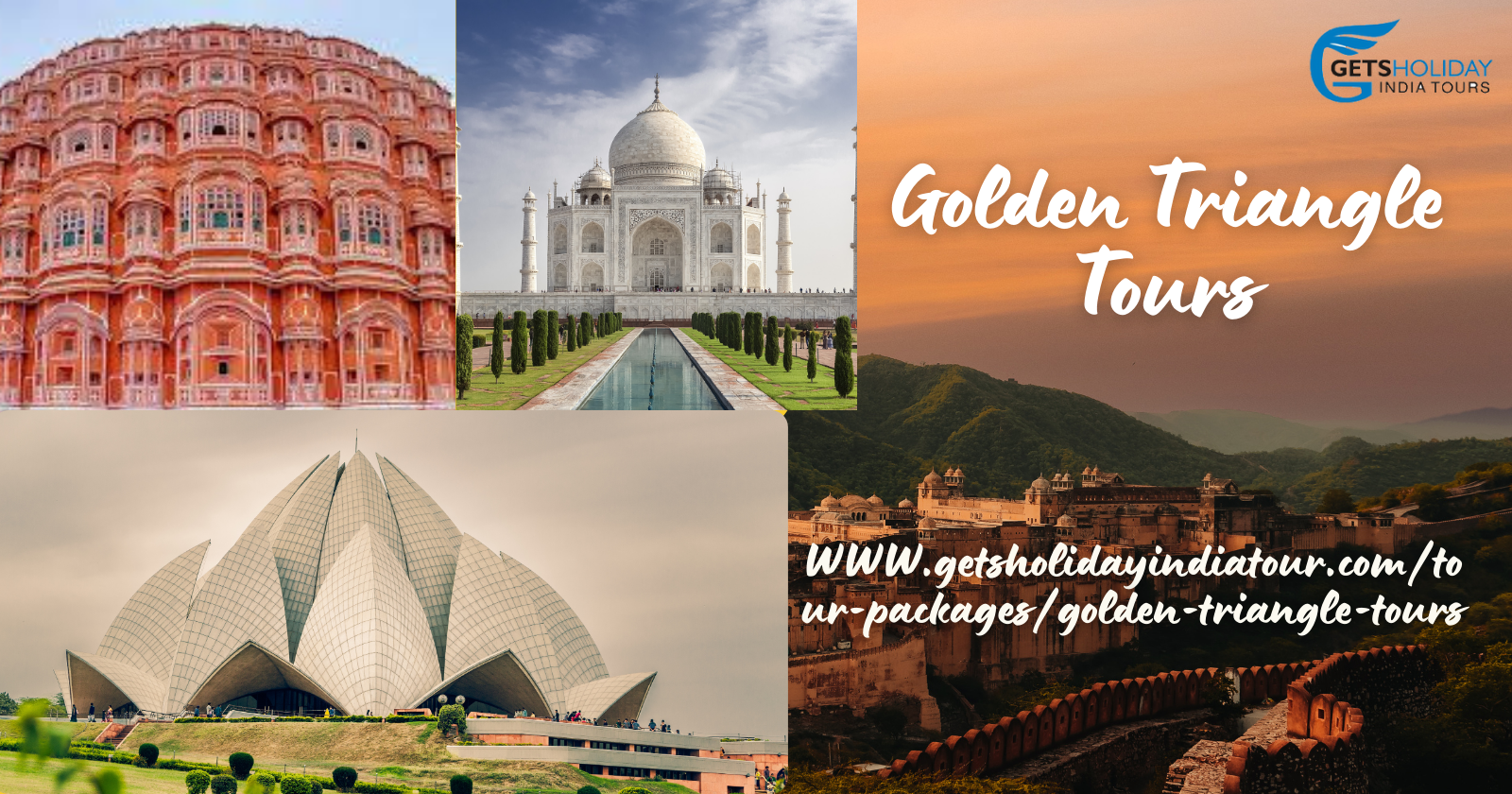
Lotus Temple
Known for its distinctive lotus-shaped architecture, the Lotus Temple is a Bahá'í House of Worship that invites people of all faiths for meditation and prayer.
Connaught Place
A bustling commercial and financial hub, Connaught Place is known for its colonial-era buildings, high-end shops, restaurants, and vibrant street markets.
Agra: The City of Love and Majesty
From New Delhi, the tour proceeds to Agra, home to one of the most famous monuments in the world—the Taj Mahal.
The Taj Mahal:
Architectural Marvel
The Taj Mahal, built by Emperor Shah Jahan in memory of his beloved wife Mumtaz Mahal, is a masterpiece of Mughal architecture. Its white marble facade, intricate carvings, and symmetrical gardens draw millions of visitors annually.
Symbol of Love
Beyond its architectural grandeur, the Taj Mahal is a symbol of eternal love, making it a must-visit destination for romantics and history enthusiasts alike.
Other Agra Attractions:
Agra Fort
This UNESCO World Heritage site served as the main residence of the Mughal emperors. The fort's massive red sandstone walls enclose a complex of palaces, mosques, and audience halls.
Fatehpur Sikri
Located just outside Agra, Fatehpur Sikri is a historic city built by Emperor Akbar. It served as the Mughal capital for a brief period and is known for its well-preserved palaces, courtyards, and mosques.
Jaipur: The Pink City
The final point of the Golden Triangle is Jaipur, the capital of Rajasthan. Known as the Pink City due to its distinctive pink-colored buildings, Jaipur is a city of royal heritage and vibrant culture.
Architectural Wonders:
Hawa Mahal
The Palace of Winds is one of Jaipur's most famous landmarks. Its ornate facade with 953 small windows was designed to allow royal ladies to observe street festivals without being seen.
Amber Fort
Located on a hilltop overlooking Maota Lake, Amber Fort is a stunning example of Rajput architecture. Visitors can explore its lavish palaces, intricate mirror work, and expansive courtyards.
Cultural Experiences:
City Palace
The residence of Jaipur's royal family, the City Palace is a sprawling complex that includes gardens, courtyards, and museums showcasing royal artifacts.
Jantar Mantar
This UNESCO World Heritage site is an astronomical observatory built by Maharaja Jai Singh II. It houses a collection of architectural astronomical instruments used to measure time and celestial events.
Experiencing Local Culture
Apart from its historical and architectural wonders, the Golden Triangle offers rich cultural experiences.
Cuisine:
Delhi
Enjoy a culinary journey through Delhi's diverse food scene, from street food at Chandni Chowk to fine dining in upscale restaurants. Must-try dishes include butter chicken, kebabs, and chaat.
Agra
Savor Agra's famous petha (a sweet made from ash gourd) and Mughlai cuisine, including dishes like biryani, tandoori chicken, and various rich gravies.
Jaipur
Indulge in Rajasthani cuisine, known for its bold flavors and unique ingredients. Don't miss out on dal baati churma, laal maas (spicy red meat curry), and ghewar (a traditional sweet).
Shopping:
Delhi
Shop for traditional handicrafts, textiles, and jewelry in markets like Dilli Haat and Janpath.
Agra
Purchase exquisite marble inlay work and leather goods as souvenirs.
Jaipur
Explore vibrant bazaars such as Johari Bazaar and Bapu Bazaar for jewelry, textiles, and handicrafts.
Festivals:
Delhi
Witness the grand celebrations of festivals like Diwali, Holi, and Republic Day.
Agra
Experience the Taj Mahotsav, a 10-day festival celebrating art, culture, and cuisine.
Jaipur
Attend the Jaipur Literature Festival, an annual event that attracts writers, thinkers, and literature enthusiasts from around the world.
Practical Tips
Best Time to Visit
The ideal time for a Golden Triangle Tour is from October to March, when the weather is pleasant.
Transportation
While there are various transportation options, including trains and buses, hiring a private car provides flexibility and comfort.
Guided Tours
Consider hiring a local guide in each city to gain deeper insights into the history and culture of the sites.
Conclusion
The Golden Triangle Tour offers an enchanting blend of India's historical grandeur, architectural brilliance, and vibrant cultural experiences. From the bustling streets of Delhi to the timeless beauty of the Taj Mahal and the royal splendor of Jaipur, this journey through India's heart is a memorable adventure that captures the essence of the country’s rich heritage. Whether you're a history buff, a cultural enthusiast, or a curious traveler, the Golden Triangle promises a diverse and unforgettable travel experience.


